The fine print of every chart
What Is Correlation vs Causation?
Two things moving together is not the same as one of them making the other happen. Knowing the difference is the whole reason this site exists — every correlation here is real, and almost none of them are causal.
The short version
Correlation means two measurements tend to rise and fall together. Causation means changing one of them actually changes the other. Correlation is something you can see in the data; causation is a claim about why. The data alone can never prove the why — which is exactly why “correlation does not imply causation” is repeated so often.
The classic example: ice cream & drownings
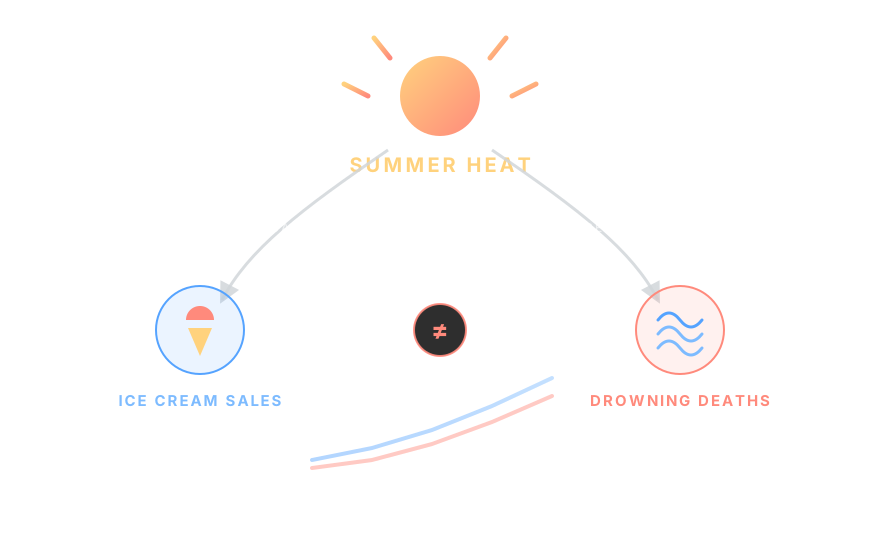
Across a year, ice cream sales and drowning deaths track each other almost perfectly. Both climb in June, peak in July and August, and collapse by October. If you only looked at the chart, you might conclude that buying ice cream is dangerously linked to drowning.
It is not. A third variable — summer heat — is quietly driving both. When it is hot, more people buy ice cream, and, completely separately, more people go swimming, so more people drown. The heat is a confounding variable: it causes both series, which makes them correlate even though neither one touches the other. Ban ice cream and the drownings would not budge.
Why it matters
Mistaking correlation for causation leads to expensive mistakes: medicine that does not work, policies that miss the real lever, and headlines that scare people for no reason. The cost of the error is acting on the wrong cause — pouring effort into ice cream when the problem was the heat all along.
How to tell them apart
There is no single test, but investigators lean on a handful of reliable tactics. Run a suspicious correlation through these before believing it:
Common questions
- What is the difference between correlation and causation?
- Correlation means two variables tend to move together. Causation means a change in one variable actually produces a change in the other. Correlation can exist without causation — most famously when a hidden third variable drives both.
- Why do ice cream sales correlate with drowning deaths?
- Both rise in summer. Hot weather is a confounding variable: it pushes people to buy ice cream and, separately, to swim — which raises drownings. Ice cream does not cause drownings; the heat drives both.
- How can you prove causation?
- The strongest evidence is a randomized controlled experiment, which randomly assigns the cause and so cancels out confounders. Where experiments are impossible, researchers weigh criteria like mechanism, temporal order, dose-response, and replication.